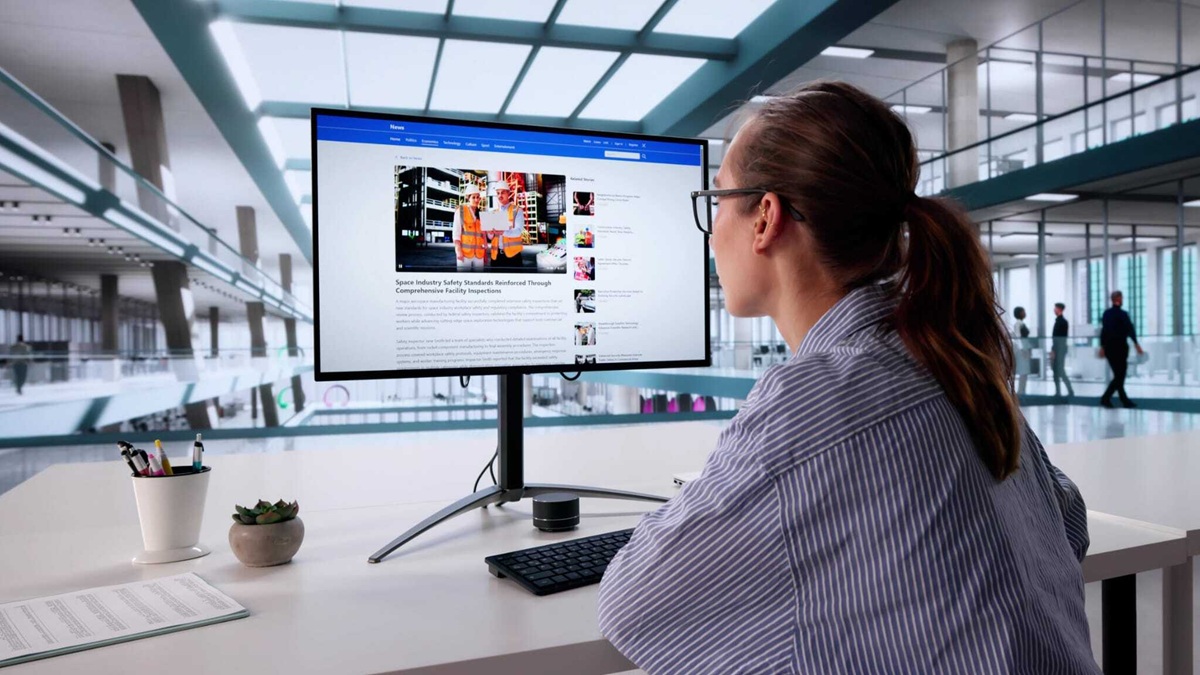
In 2026, media monitoring functions as operational intelligence for communications, not as a reporting add-on. The media environment is no longer a set of channels used to distribute messages; it is the place where legitimacy, trust, and reputation are continuously contested. Organizations that communicate publicly are exposed to narrative dynamics every day, and monitoring is the capability that provides situational awareness in that environment.
The structural change is that narratives now move across platforms with very high speed. A topic can originate as a small signal on social media, be reframed by online media, gain legitimacy through TV and broadcast coverage, and return to social platforms amplified by influencers and their communities.
By the time a story reaches mainstream headlines, the dominant framing is often already established and the window to shape interpretation has narrowed. Monitoring is essential because it tracks narratives as systems, not as isolated mentions.
The strategic value of media monitoring in 2026 is early detection. High-impact crises rarely begin as high-volume spikes; they begin as weak signals that repeat and connect. These signals could include recurring allegations, a short clip that starts circulating, a thread that becomes a reference point, or a niche story that aligns with a broader public concern. Early detection of these patterns early preserves options, lowers response costs, and reduces escalation risk by enabling intervention before narratives harden.
Effective monitoring also focuses on meaning formation, not just counting mentions. It tracks how framing shifts over time, which claims become dominant, what angles are being attached to a topic, and which actors are driving amplification. This is critical because communication outcomes depend less on what an organization says and more on how the public narrative interprets events. Monitoring provides the evidence base required to choose whether to respond, what to address, what to ignore, and how to communicate without inadvertently amplifying the issue.
Modern monitoring must be continuous, cross-media, and structured, covering online media, social media, and TV because escalation often happens in the transitions between them. It must also be analyst-led, because relevance and risk are context problems: the difference between noise and a warning sign is found in language, repetition, influence networks, and trajectory, not in dashboards alone.
The costs of insufficient monitoring are predictable. Organizations discover issues late, respond under pressure, and communicate within someone else’s framing. Internal alignment degrades as different teams act on partial information, and messaging becomes reactive, inconsistent, or defensive. In post-crisis reviews, the recurring conclusion is not that the signals did not exist, but that they were not detected, interpreted, and escalated to decision-makers in time.
The importance of media monitoring in 2026 lies in what it enables: evidence-based decision-making, faster coordination, stronger crisis prevention, and disciplined strategy. When monitoring is integrated into communication operations, it becomes a single source of truth that connects real-time narrative intelligence to planning, campaigns, and execution. In an environment where perception can shift in hours, media monitoring is the mechanism that ensures an organization is not operating blind.
This is exactly where CMMNDR Media Monitoring adds tangible value: it brings continuous, cross-media coverage (news, TV, and social media) into a single workflow that prioritizes early detection and meaning, not just volume.
You get structured narrative tracking, driver and amplification analysis, and clear escalation signals, so leadership can act while options are still open, not after a framing has hardened. In practice, that means faster internal alignment, fewer surprises, and decision-grade briefs that translate live media dynamics into specific next steps for comms, public affairs, and risk teams.